

Emotional development is all about teaching children how to communicate their emotions, regulate them with the help of others and form trusting relationships. The educator who regularly attends to infants and toddlers is able to make them feel safe by responding positively to crying, smiling and gesturing of the child (NQS 5.1 and EYLF Outcome 1). While saying goodbye, the educator can offer the following words: “It seems like you’re feeling sad now. Do you miss your mum?” In order to help the child calm down, the educator can stay close, speak softly or provide a comfort item. Moreover, the educator should be respectful to each child’s sleeping and feeding routines (NQS 2.1). Inquiring from families how their child communicates their distress and what makes them feel at ease (NQS 6.1) will help the educator continue doing that during the day. All these practices will help maintain children’s emotional well-being (EYLF Outcome 3).
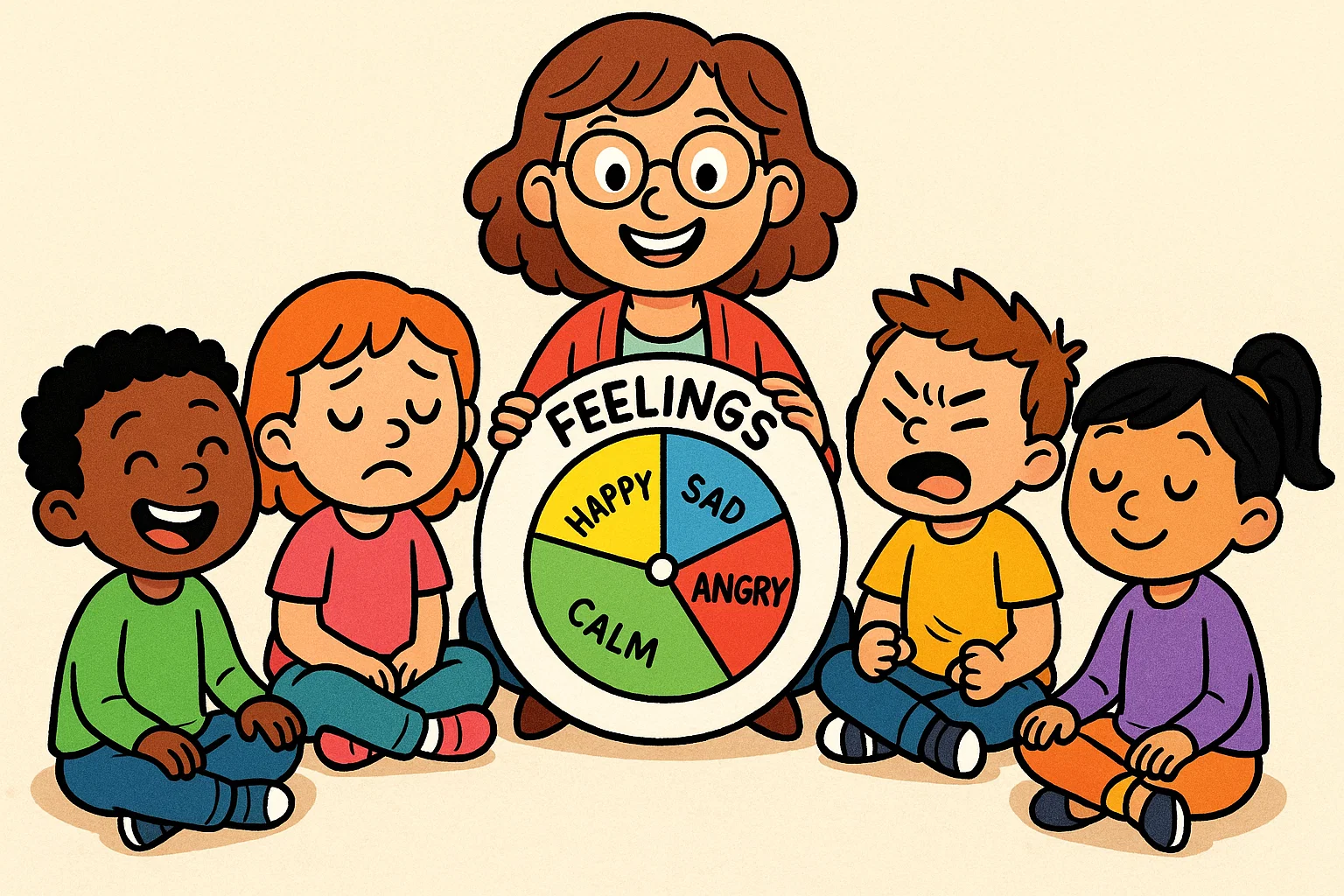
3 emotional development activities
0-12 months · It’s a familiar pause. Try a hum approved by the family during settling time. Pause when the baby looks away, offering proximity and/or stillness. Document what the baby did prior to and following the adjustment.
12-24 months · Puppet says goodbye. A puppet waves good bye to a known adult upon arrival. Children can wave, hold it, look or walk to a known teacher. “You can stay with me.” Document whether children seek a support and then reengage.
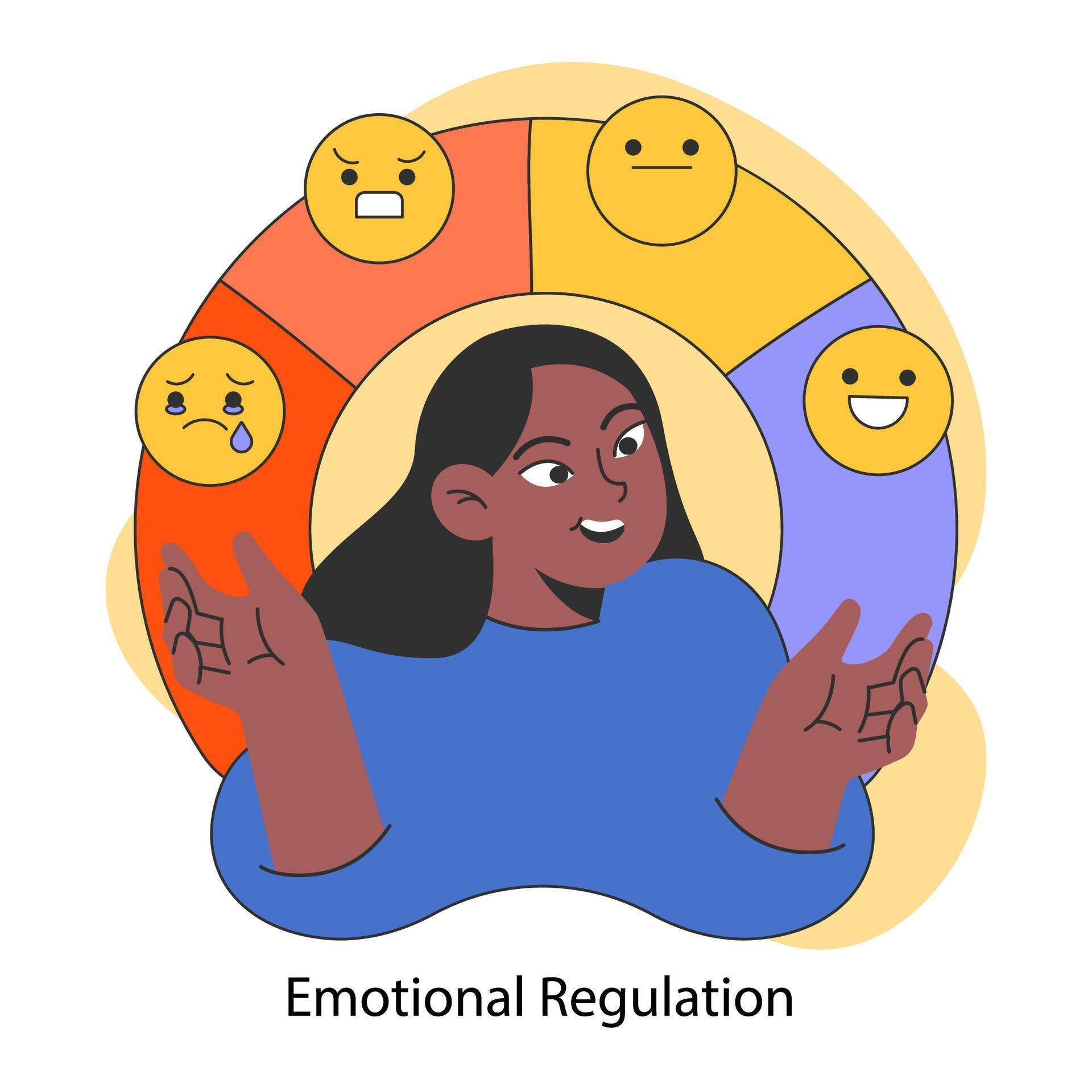
2-3 years · Fix it or take a break. A puppet’s block tower topples down. Offer children two pictures depicting support or a pause. Invite children to show support to the puppet. Respect children’s choice next time during play. Document if children use a word, sign or a picture to ask for help. EYLF Outcome 3.
Create Your Own Website With Webador