

Supporting the development of infants and toddlers involves having responsive relationships, effective teaching, and developmentally appropriate experiences. The first three years are critical for children's growth in many areas of physical, cognitive, social, emotional and language development. In their article, Garvis et al. (2019) talk about the connection between different developmental areas and the significance of children's holistic learning.
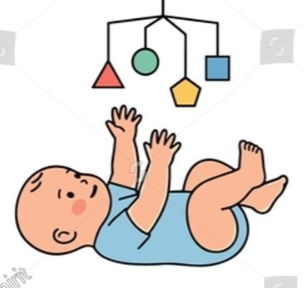
Infants, aged 0-12 months, should be engaged in sensory exploration, tummy time, singing and face-to-face communication to facilitate their development. Toddlers, aged 12-24 months, can be involved in interactive games and simple puzzles and get an opportunity to foster their independence. Children, aged 2-3 years, improve their communication, problem-solving and social skills through play, storytelling and cooperation (Sharma et al., 2021).
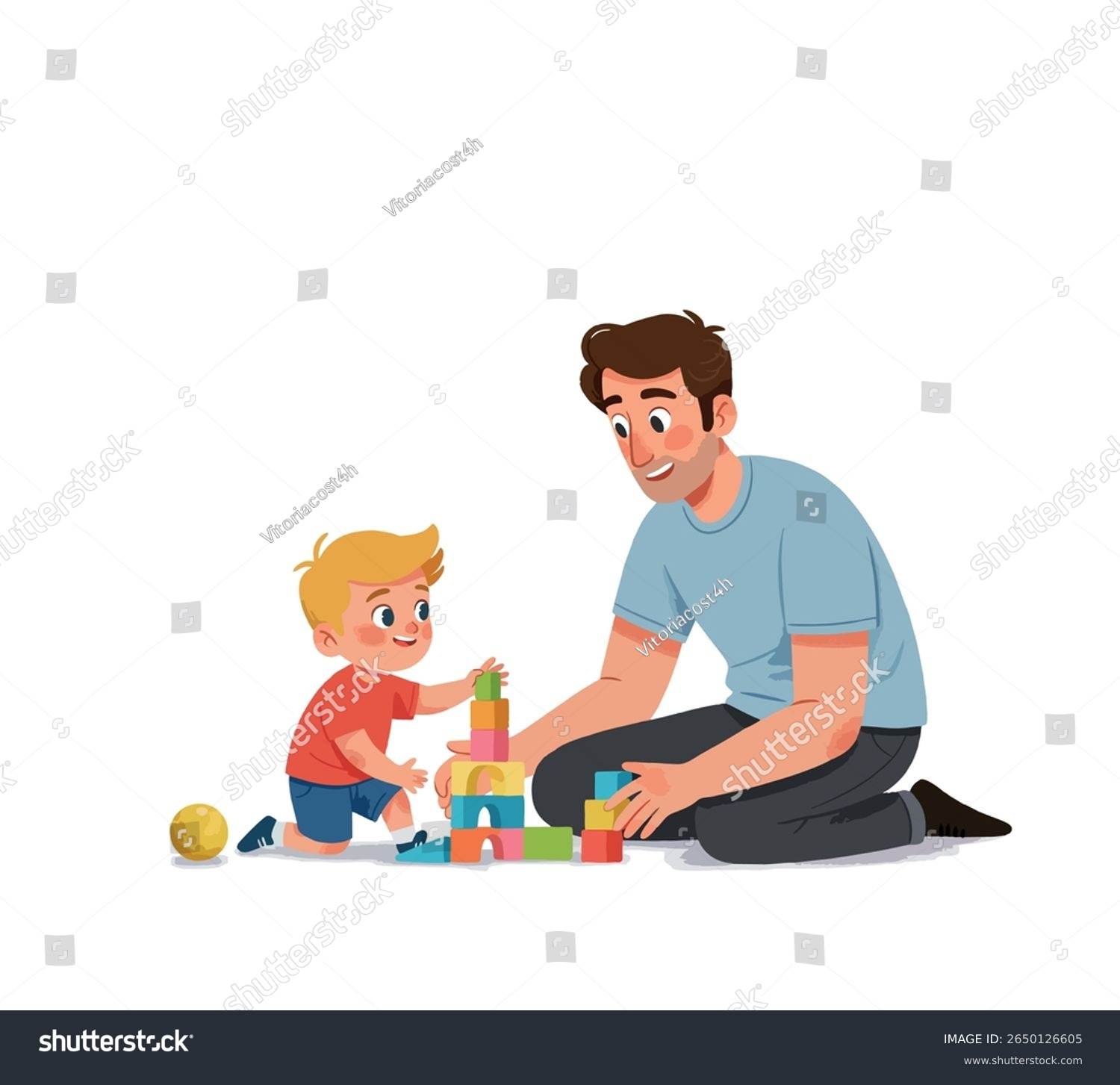
Educators are vital in observing the interests of children and recognizing the developments in providing appropriate scaffolding. Kaywork (2020) emphasizes the significance of being aware of the developmental needs of infants and toddlers and responding to their needs. In addition to this, positive relationships, cultural responsiveness and partnerships with families help children feel emotionally secure and belong.

Children's confidence and independence can be developed by providing nurturing settings and engaging experiences in play. Educators can promote lifelong learning in this way (Pendergast & Garvis, 2023).
Create Your Own Website With Webador